I am an outgoing person with passion for "all-things-digital". With over a decade of experience as a project manager and a master’s degree in Information Management, I’ve led diverse projects—from web apps to integrations and of AI solutions—while collaborating with talented professionals and building lasting relationships.
My hands-on approach, from concept to implementation, has shaped my ability to view challenges from multiple perspectives. I am always eager to learn new technologies, concepts and methodologies or step in different roles which helps me stay adaptable in the ever-evolving digital landscape.
My interests span business development, project management, AI/ML, software development, UI/UX.
I aim to help businesses reach their goals with a next-gen, multidisciplinary approach to project management.
In my free time, I enjoy travelling, doing sports and spending quality time with my family.
All technologies, platforms and tools have their learning curves and one can hardly master all of them.I have hands-on experience with multiple tools and depth of expertise varies by frequency of use.
A modest look at how I bring product thinking into my everyday life
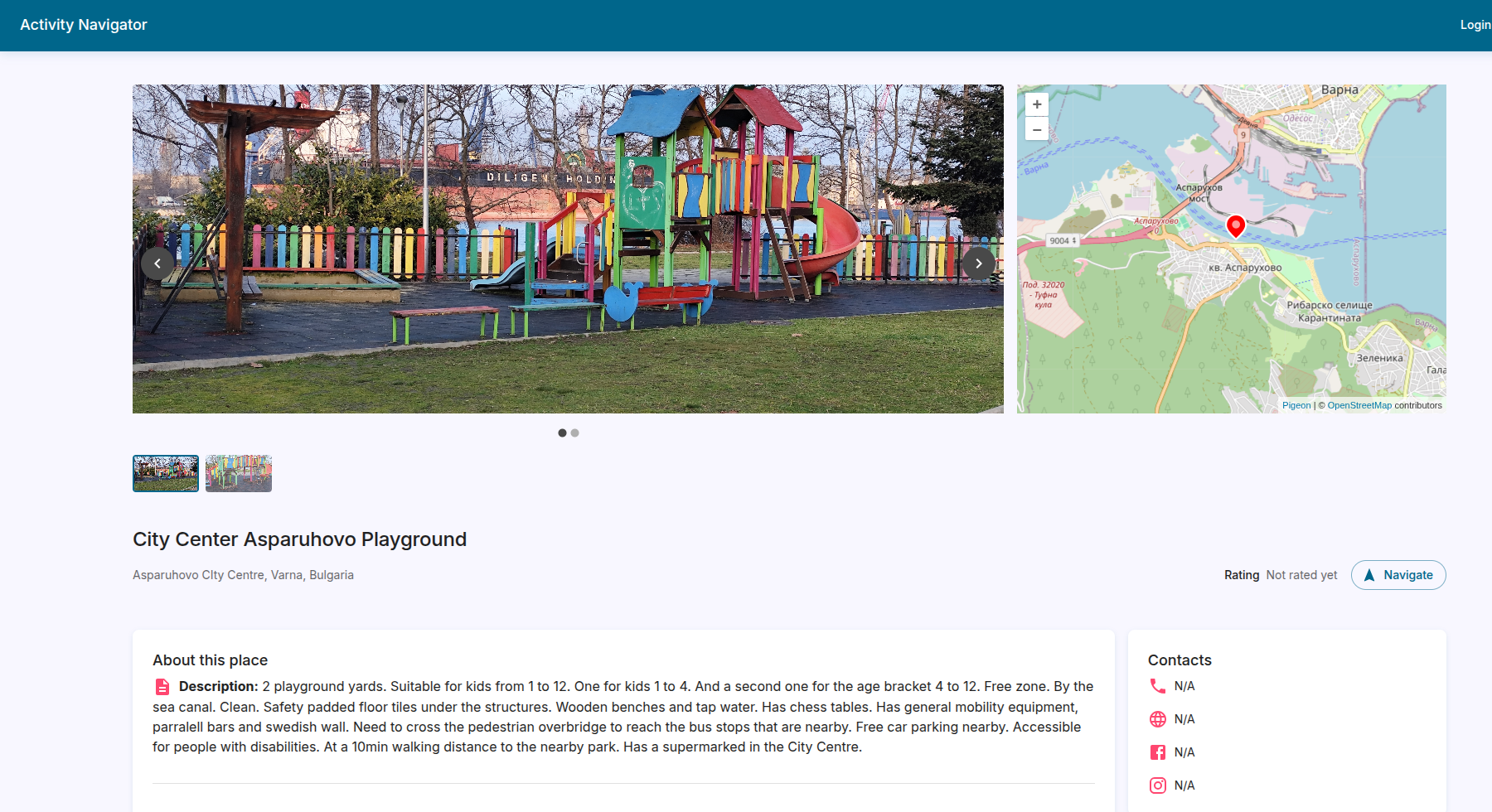
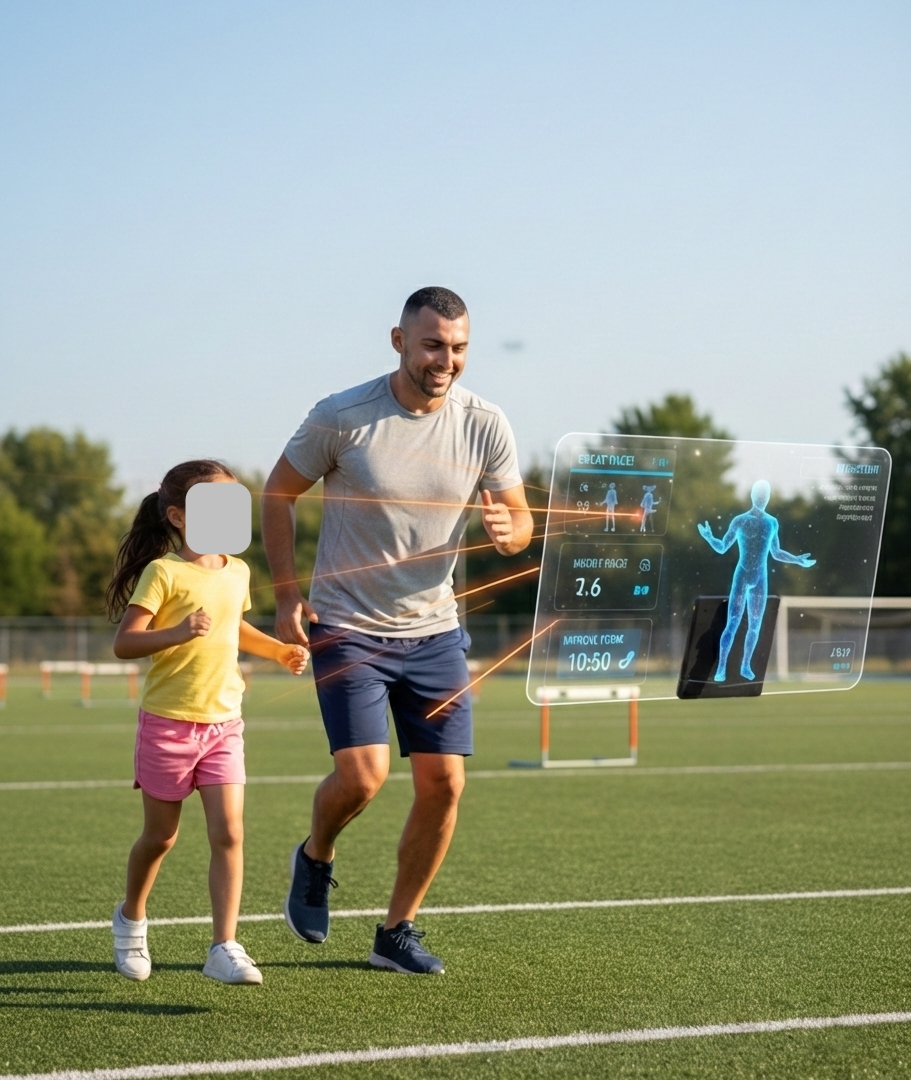
When I became a father, I had to rediscover my surroundings. I quickly realized that I had no clear idea where I could go with my child, or how to add real variety to the places and activities we visited together.
Google Maps, the most popular navigation app, offers powerful search and filtering. Still, I was surprised by lack of certain filters, which would've helped parents find venues suitable for kids and outdoor activities are represented. They often lack detail, variety, and the kind of practical information that active parents actually need. There is no prominent Google Maps competitor that fills this gap either.
In Bulgaria, this problem is even more pronounced. The country still struggles to provide high-quality services, infrastructure, and public spaces designed for children. At the same time, our society faces a serious lack of physical activity among kids of all age groups. Bulgaria consistently ranks at the bottom of Eurostat statistics related to sports participation and healthy lifestyles.
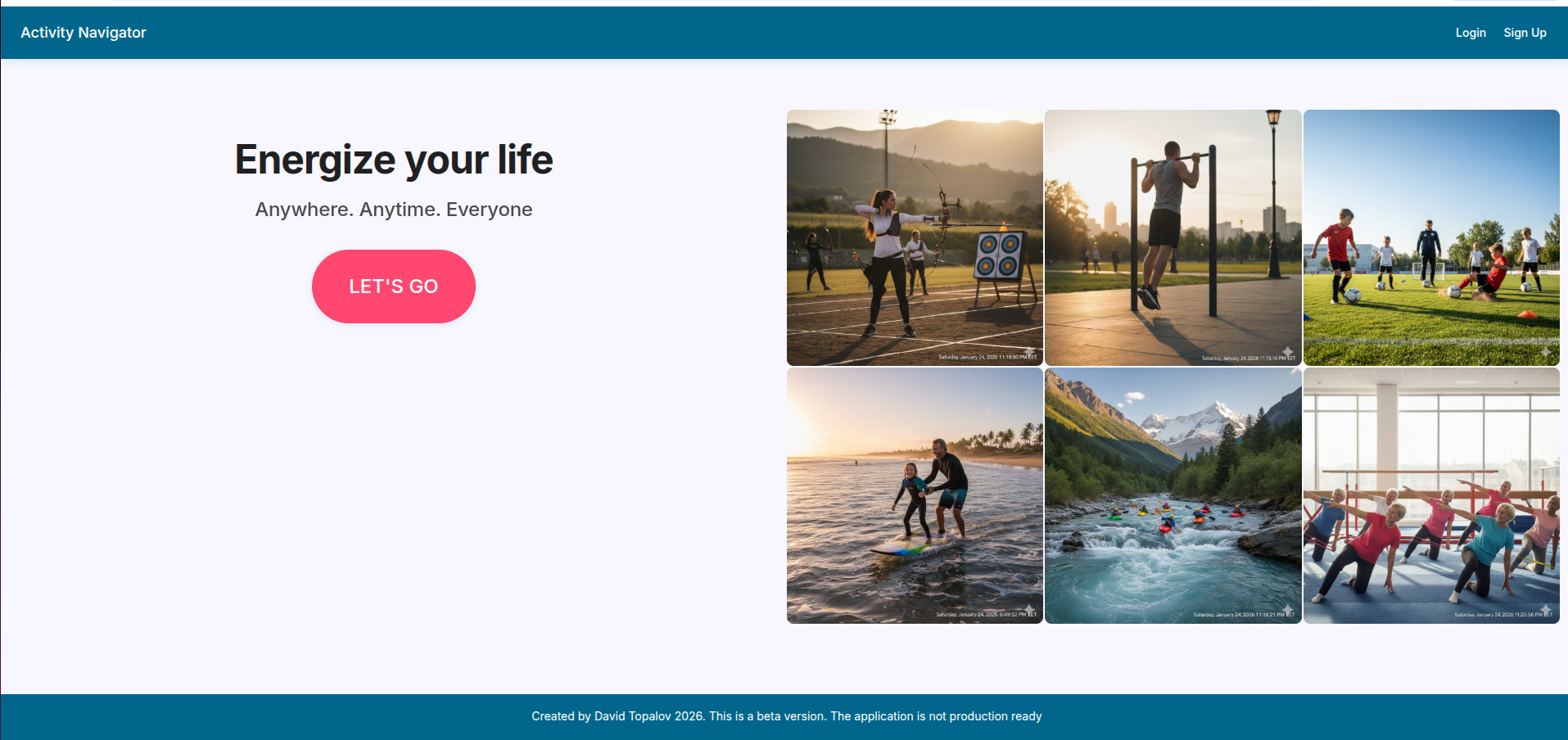
That’s when I decided to build a small app of my own—one that tries to answer a simple but important question: "How can our kids grow strong and healthy?"
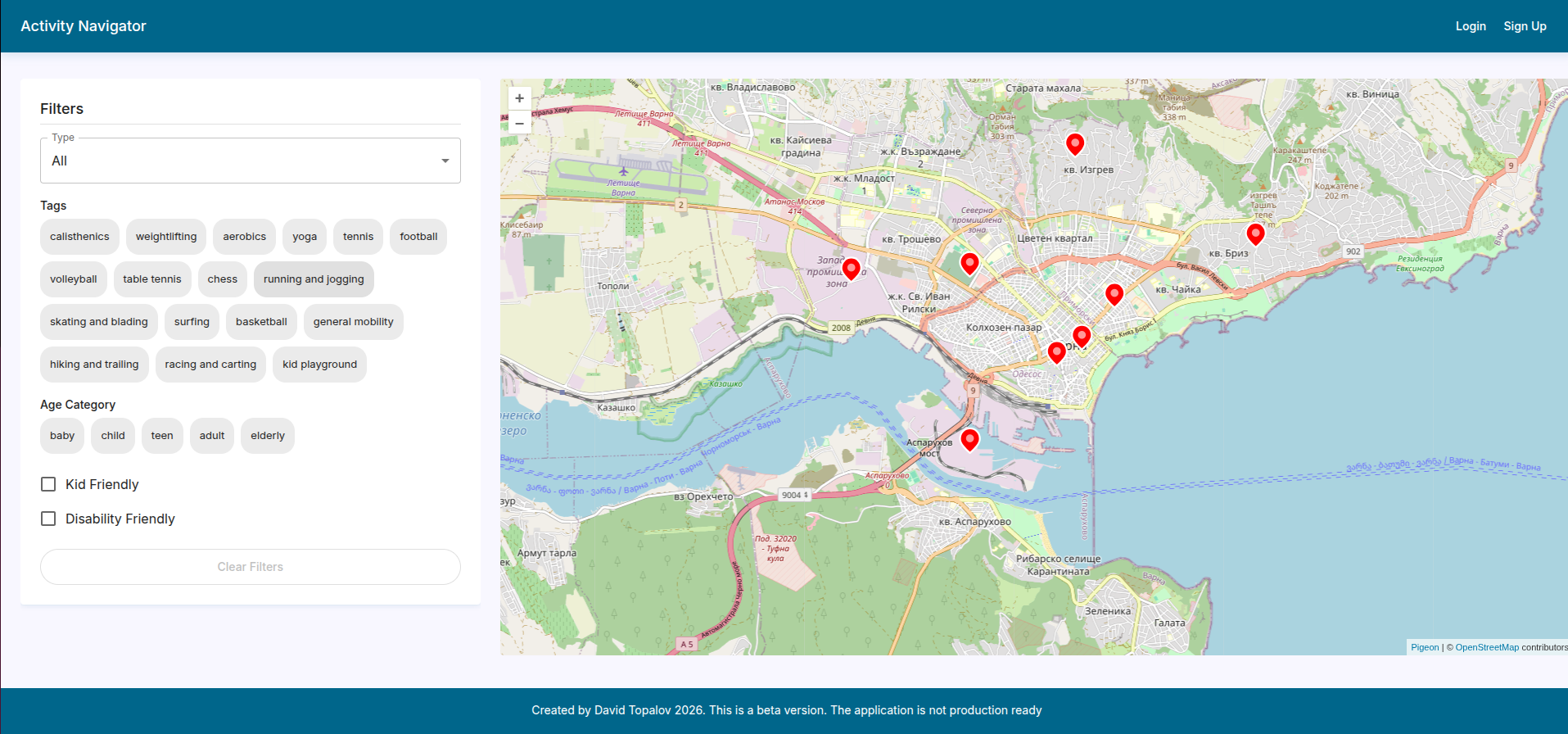
The project went through several iterations. It started as a simple JSON dataset with basic place objects, visualized on a map using plain HTML, CSS, and JavaScript. Later, I decided to approach it as a full product.
I defined business requirements, user stories, and data models, and split the work into features and sprints—closely following a real software development lifecycle.
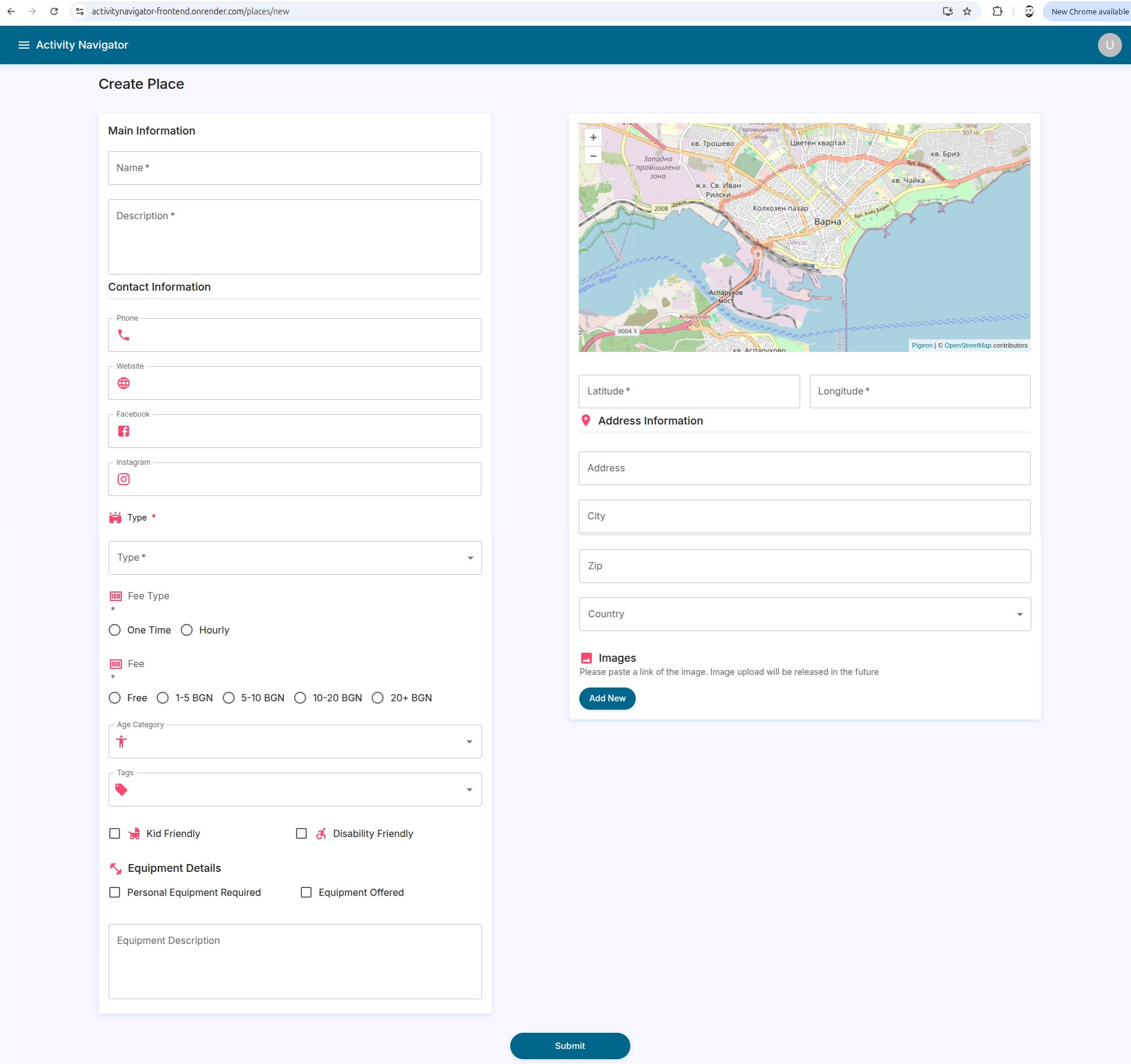
The core idea was a map-based app with rich filtering options for different activities and age groups. To encourage engagement, registered users can:
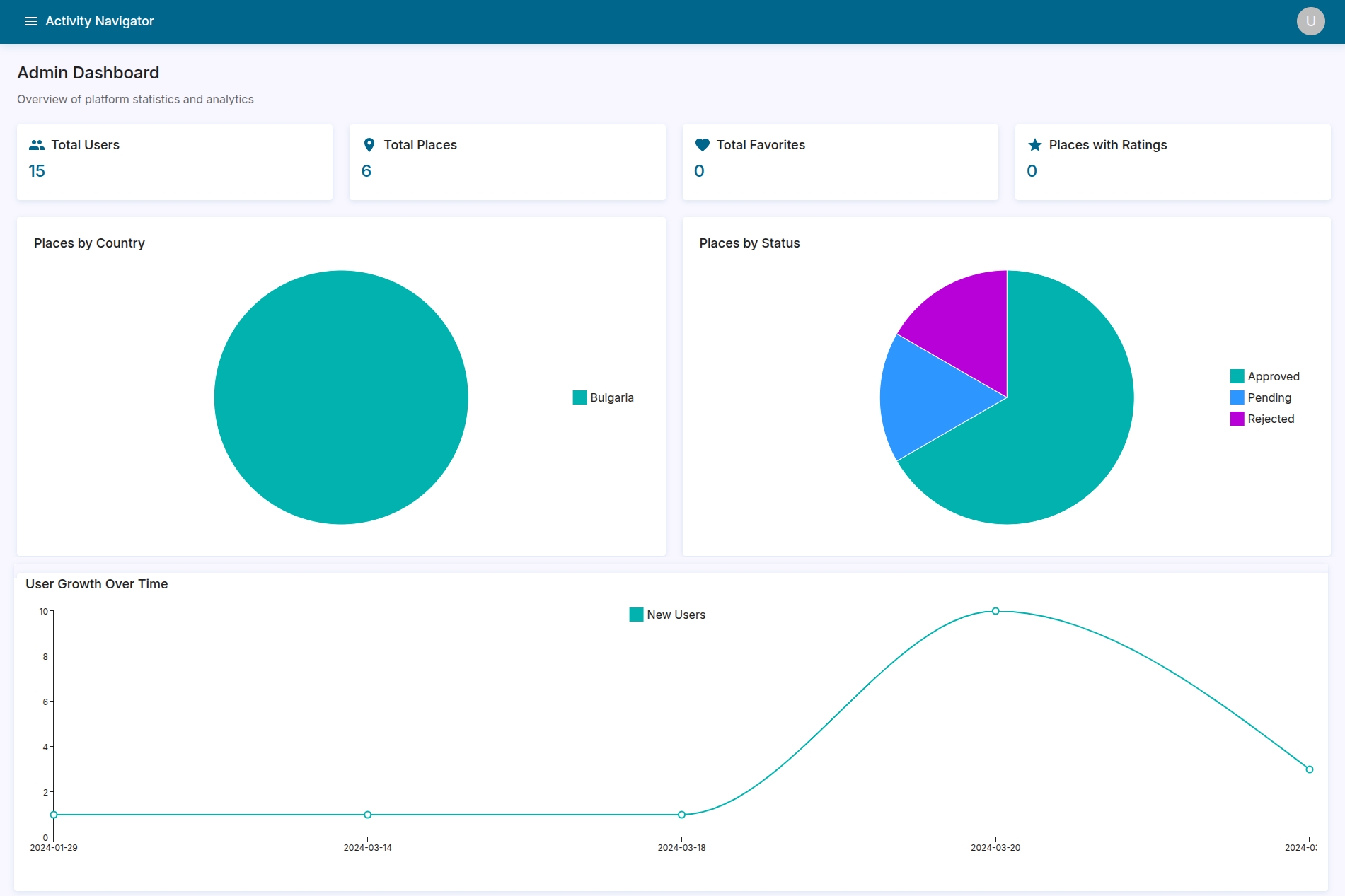
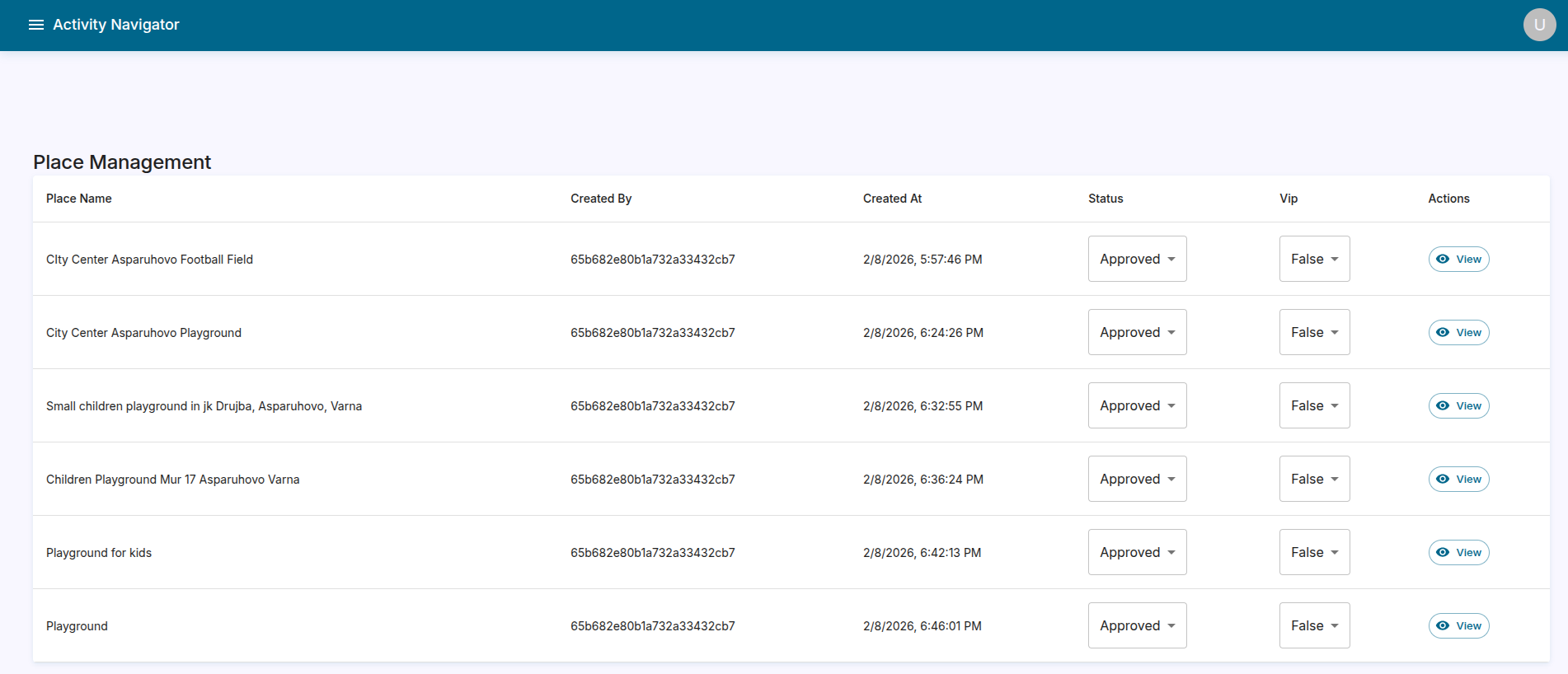
An admin role manages the platform by approving or rejecting suggestions, monitoring place statistics through a dashboard, and creating venues directly.
As the idea evolved, I added a minimal booking feature, since many sports venues require reservations.
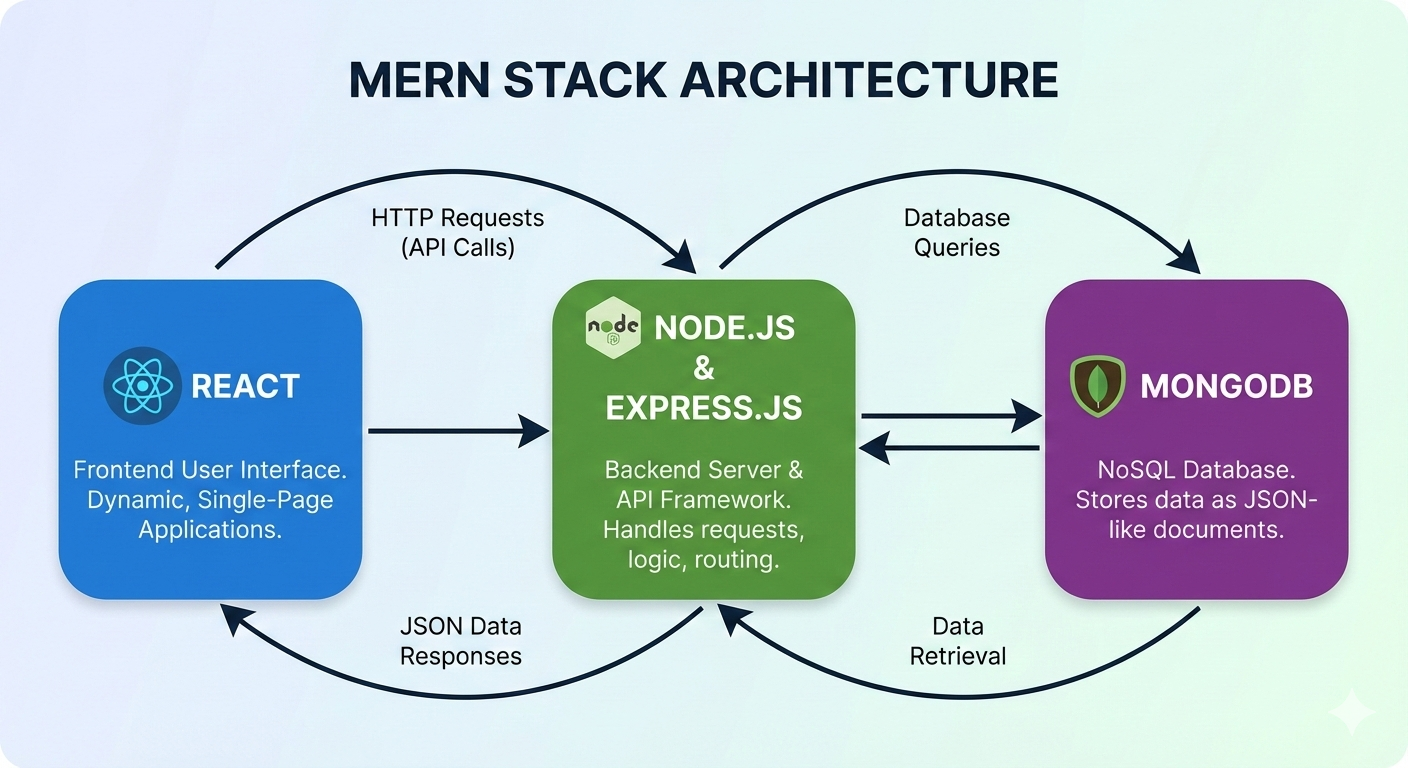
The application is built using the MERN stack:
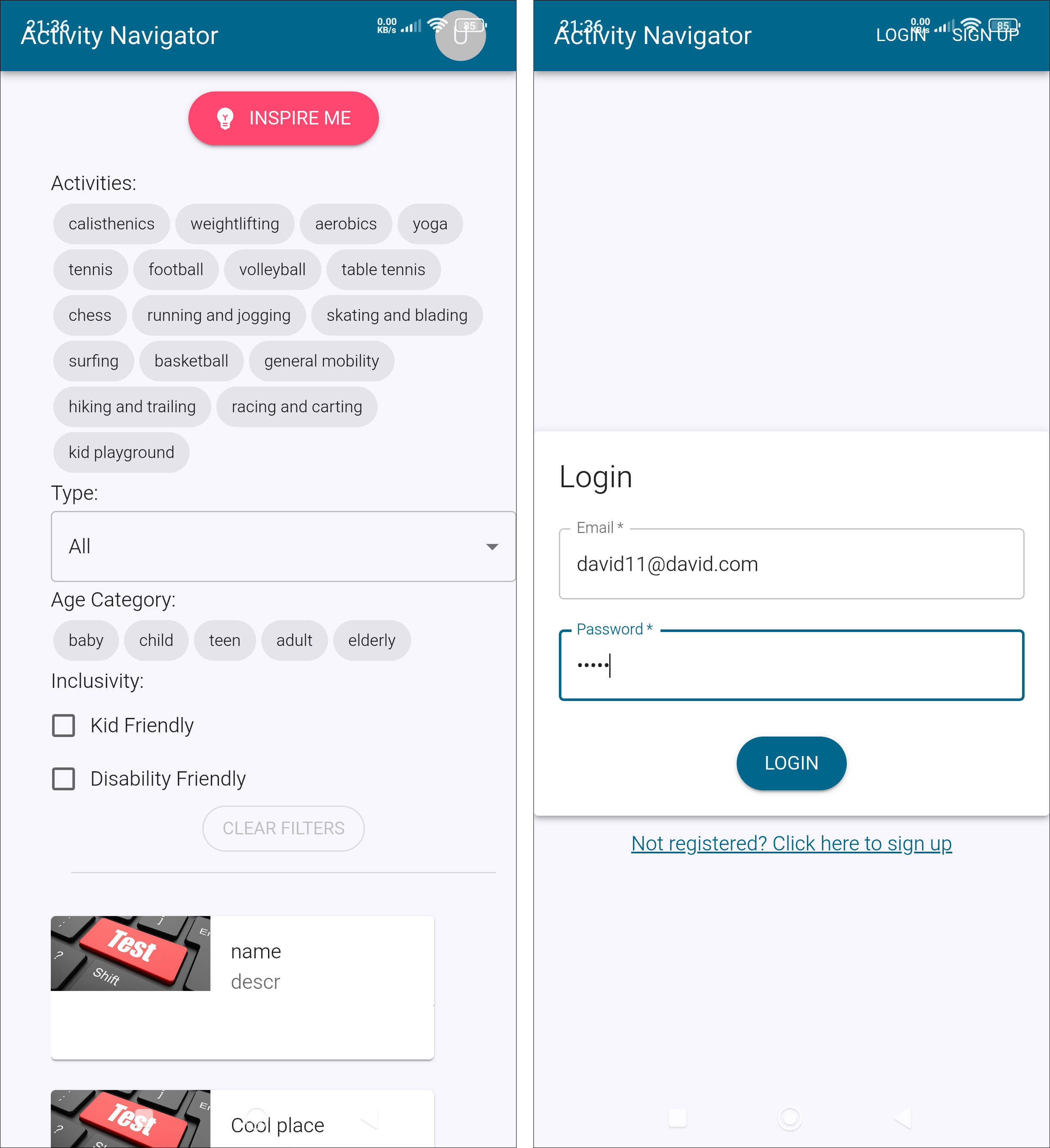
For map rendering, I used pigeon-maps. Due to my limited experience with native mobile development, I chose Capacitor as a pragmatic solution to generate an Android APK from the frontend.
Because I strongly believe in incorporating AI to boost productivity, I experimented with context engineering after main frontend development was completed. This resulted in a technical rewrite using Vite, TanStack, and Zustand.
Deployment is handled through an AWS wrapper and a cloud-hosted database.
This experiment reinforced my belief that experienced product developers and engineers will remain in high demand. While simpler tasks can increasingly be delegated to tools and agents, human expertise is still essential to guide the process, make architectural decisions, and stay vigilant about risks.
For the next iterations, I’m planning several key improvements:
On the feature side, I plan to integrate Google Maps navigation, extend the reservation system into a full venue and dynamic timeslot management solution.
Further ahead, I want to introduce an AI-powered sports activity assistant that helps people stay healthy through tailored workout plans based on their physical condition, available time, location, and budget—all while staying focused on the “children first” principle.
I’m usually involved from the very beginning. I’m often the first person to speak with a client or stakeholder, understand the business problem, and take ownership of framing it clearly.
Whether it’s a new product, an improvement, or a legacy rewrite, I start by combining conversations with stakeholders and whatever data is available. I document both the raw input and a structured version — concepts, requirements, assumptions, and definitions of done.
I share this with the team to get their feedback. That way, solutions are shaped collaboratively rather than biased by a single perspective.
I prioritize transparency and trade-off discussions. In many cases, the real constraints aren’t technical feasibility but time, cost, and long-term impact.
I like to ask three questions early: Is this theoretically possible? Is it worth the investment? And what happens if we don’t do it?
Once those answers are clear, it becomes much easier to align on a technical solution that supports the business goal without overengineering.
Traditional project management is often reduced to status updates and process enforcement — and technical specialists, on the other hand, may focus deeply on implementation while missing the broader business or user context.
My approach sits between those worlds. I understand enough of the technical detail to ask the right questions, while staying grounded in business goals and user behavior.
I see modern project leadership as more than templates and boards. It’s about actively contributing to product decisions and acting as the connective tissue between strategy, execution, and people.
I work by understanding what each group optimizes for. Stakeholders focus on outcomes, time, budget and impact, designers on user experience and clarity, and engineers on feasibility, quality, and maintainability.
My role is to help these perspectives meet in a productive way — clarifying priorities, making trade-offs explicit, and ensuring everyone understands why a decision is being made.
When priorities conflict, I help the team align around what matters most at that moment, whether that’s speed, cost, quality, or new opportunity.
I do my best work in collaborative, open-minded, and self-organized environments. I don’t believe in micromanagement — I prefer enabling teams, contributing directly, and building shared ownership.
I'm especially energized by roles that sit at the front of delivery, working closely with clients or stakeholders while staying connected to the team executing the work.
Ownership means collective responsibility for the product’s success. Everyone plays a role, and quality depends on how well we support each other.
I don’t think in terms of “my part” versus “your part” — strong teams help where needed and take responsibility beyond their job title when it matters.
I don’t like changing things for the sake of change, just to simulate activity. If something works, I prefer to keep it that way. When I obtain enough evidences certain process or feature creates bottlenecks, I would bring it to the table for discussion with the team, so that I we can look at it from different angles.
If there is only one thing that I would always advocate for, it is transparency — clarifying why certain work is being done and how it connects to business objectives. When people understand the “why,” alignment and efficiency improve naturally.
I focus on automation and simplification. Repetitive or predictable tasks should be automated wherever possible, creating consistency and freeing up time for higher-value work.
I also like to periodically audit processes and pipelines with the team. If something feels slow or painful, we look at whether it’s serving a real purpose or has simply grown inefficient over time.
I actively use AI across different parts of my work — from writing and reviewing code, to refining queries and data pipelines, and even automating repetitive tasks through AI-driven workflows and agents.
The IT landscape is moving extremely fast. New tools, frameworks, and concepts appear faster than anyone can fully master them, and that’s where I see AI as a force multiplier rather than a replacement for expertise.
At the same time, I’m cautious and pragmatic about its limitations. I see the downsides firsthand: lack of context, hallucinations, incorrect implementations, unnecessary complexity, privacy and intellectual property concerns, and the risk of streamlining at the expense of creative freedom.
I believe AI will play an increasingly important role in our professional lives, and it’s up to us to use it deliberately — to increase productivity and value while keeping humans firmly in control of decisions and accountability.
Think I would be a good fit for your team?
Or you need a bit more information about my experience, skills and CV?
Feel free to reach out!